A recent history of Lani
For thousands of years the world of Lani had known peace, safe from the evil force known only as the Dark. This all changed on the 31st of Haust when would-be heroes destroyed the mechanism protecting the world. The invasion of the Dark began. The Hexen Tower fell, the elves of Eldravire were slaughtered, the ancient Temple of Sif burned, and the people of the Spine Mountains were scattered to the wind to become nomadic raiders. Some few cities stood against the tide of the Dark and battled through the final days of Haust. Thousands upon thousands of souls were slaughtered, many of the dead forced to join the army of their enemy as wraiths, shadows, or other undead beings. The once-peaceful greens of Lani became haunted.
It is now Vintr, in the year 2367. Travel is difficult and temperatures are frigid. The great light of Pua is gone, along with what seems the hope of the people. Those who remain are focused on survival. Many have turned their backs on the kind ways of before and have reverted to more primal needs, chaos once again upon the land. The millennia of peace between species is endangered and mistrust has replaced the neighbourly greetings from before the fall of the Great Tower of Lighting.
It feels like an unending battle against the Dark, without any hope to win, only to survive for another day. A few heroes, however, search for the answer to fighting back the Dark.
GAME MASTER NOTE: It is currently Season 2 of this campaign. Season 1 details are available in the Corruption of Lani archive.
Basic geography of Lani
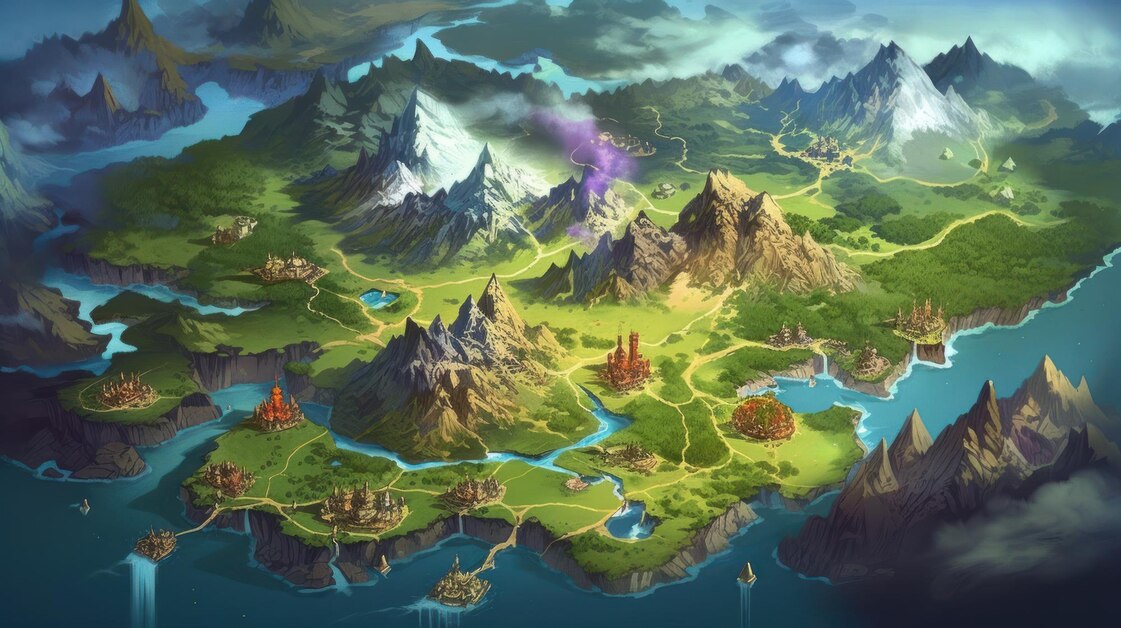
Lani is an enormous island locked in by wide oceans in all directions. Most of the land is now covered in Vintr snow and ice and heavily infested by members of the Dark.
There stand only four fully safe zones in Lani: the great city of Pua, it’s sister city of Vornstrand, the city of Nidavellir under the Spine Mountains, and the region around the ancient city of Denn. Most of the rest of the world is in chaos. Where villages and cities have been destroyed, any survivors have fled to the safe zones or have created raiding parties in the region of their previous homes. These small bands of raiders make travel dangerous outside of the safe zones.
Denn itself has been mostly destroyed, with only a small portion of the docks defended by a goblin leader known as Boblin and his general, a druid named Echo. A ragtag group of survivors have been trained to form the Denn Watch, fighting back for control of the great city. Most of the town remains infested with creatures of the Dark.
The Hexen Tower has fallen, ending the age of enlightened advances in technology and magic. Most of the arcano-tech in existence has become inoperable or fallen into disrepair after many ten-days of use without proper maintenance. Skilled arcanists, technomancers, and artificers do their best but generally the technology has regressed to a more simple and reliable form. The Hexen Tower itself lies in rubble, any treasures it once held either destroyed or buried under thousands of tonnes of rubble.
The elven city of Eldravire, once revered for its beauty, is but a haunted ruins of the dead and undead. It is said to be filled with amazing treasures for those that would brave its boundaries. None have ever been successful, however.
Government and class systems
All previous governments and class systems from the Before times have fallen away. Elected leaders and bureaucratic systems have been replaced by generals and a belief in the survival of the fittest. The larger groups survive more easily and are able to take care of the weak and plan for families, while smaller raiding bands are often only focused on their immediate needs and tend to only support the strongest. Valuable skills such as blacksmithing, construction, magic, or any sort of combat capability are highly sought after.
Some communities have attempted to create strategic alliances to bolster their numbers and supply each other, but there is no firm system of government. Generally the founders of the community are in charge, or they are represented by their most powerful warrior.
Theology and species
Superstition and a belief in the old gods has grown in power and popularity. Faced with certain evil before them, prayer to the gods is now common place and there has been a steady growth in the number of clerics, paladins, and other divine believers who have begun to push back against the Dark.
Lani is an incredibly diverse world with many different species that were previously spread throughout the world. With mistrust of others at high levels and survival as a primary need, many of these species have started pulling back towards more xenophobic communities and staying only amongst their own kind again. This has fractured relations between the species of the land.
The elves, previously the longest-lived species in Lani, have been almost completely eradicated. They are now one of the most rare beings to walk the lands and are rumoured to be hiding in small bands in the forests of the North and East. A small group of refugees now resides in Pua’s Midtown, forming a small community within the town.
The mountain dwarves of Nidavellir have been largely untouched by the changes above the surface, having defended their home with ferocity. The king under the mountain has allowed all seeking refuge to join the halls of Nidavellir. Living in the dark under the mountain does not sit well with all people, however.
Seasons and Calendar
The land of Lani uses a calendar that revolves around the celebration of the Lighting. The first day of the year is known as Lighting Day, an annual celebration of The Lighting which also signifies the end of Vintr and the start of the year. There are four seasons in Lani: Vor, Sommer, Haust, and Vintr. Each season lasts 10 weeks, with each week containing 10 days, except for Vintr which is only 5 weeks long. There is a 15 day period known as the Celebration of Light which occurs as a part of the Vintr season, but is technically a floating period of days between the official end of Vintr period of 5 weeks and Lighting Day on the 1st of Vor.
Days of the week:
- Manisdag (Named after Mani, the moon god)
- Tyrsdag (Named after Tyr, the war god)
- Odinsdag (Named after Odin, the all-father)
- Thorsdag (Named after Thor, the god of thunder)
- Freyjadag (Named after Freyja, the elven goddess of love)
- Sifsdag (Named after Sif, the goddess of Knowledge and Life)
- Solsdag (Named after Sol, the goddess of the sun)
- Baldersdag (Named after Balder, the god of Light)
- Idunsdag (Named after Idun, the goddess of youth)
- Magnisdag (Named after Magni, the god of strength)
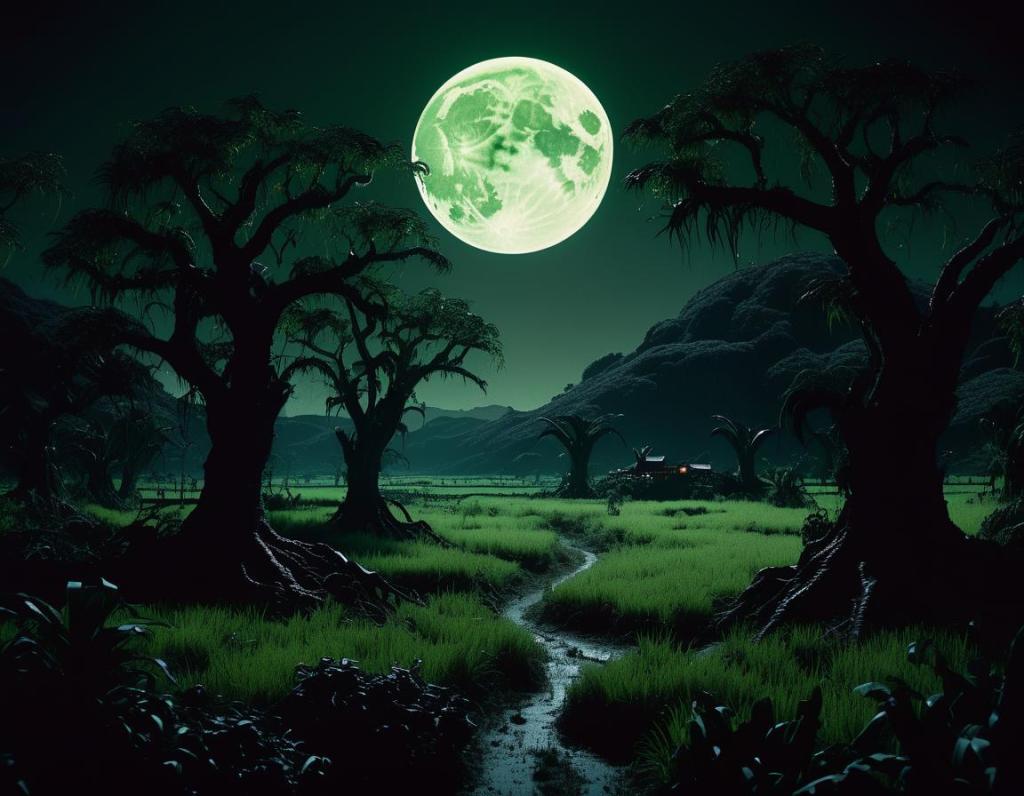
Many world calendars would also have months, but in Lani there was no lunar cycle to measure to determine this. The moon is always full every day of the year, so the periods of time are measured out instead by seasons. To state the date, somebody might say “Let’s get together on the 43rd day of Haust” or “I was born on the 2nd day of Vintr”. Children born in the Vintr period known as the Celebration of Light are said to be ‘lucky’ and that great things will come to them.
In the current season, all dates before the 31st of Haust of the current year are currently referred to as the “Before times”, a reference to the world of Lani from before the fall of the Great Tower of Lighting. In many places, the current dates are no longer even tracked as one day blends into the next.
Player Guidance
For players in the world of Lani, these summarized notes should help with character creation and session play:
Can you survive?
It is up to you to push back against the Dark.
 St-Cyr Thoughts